A lot of people buy fake degrees to enhance their resumes. Some people want to jump a few ranks on the corporate ladder, without having to invest the time and energy to get there.
If they employ employees with fake degrees, the business risks losing their reputation as well as the trust of clients or customers who appreciate integrity. They also run the risk of legal responsibility and financial penalties.
Public Perception
Some people are compelled to buy fake degrees to be able to compete for lucrative jobs or promotions. Some people may buy fake degrees in order to avoid paying the higher cost of tuition to legitimate institutions. Whatever the reason, fake credentials can be dangerous for both businesses and individuals. While they can compromise the legitimacy of hiring procedures as well as threatening the reputation of institutions that provide false credentials.
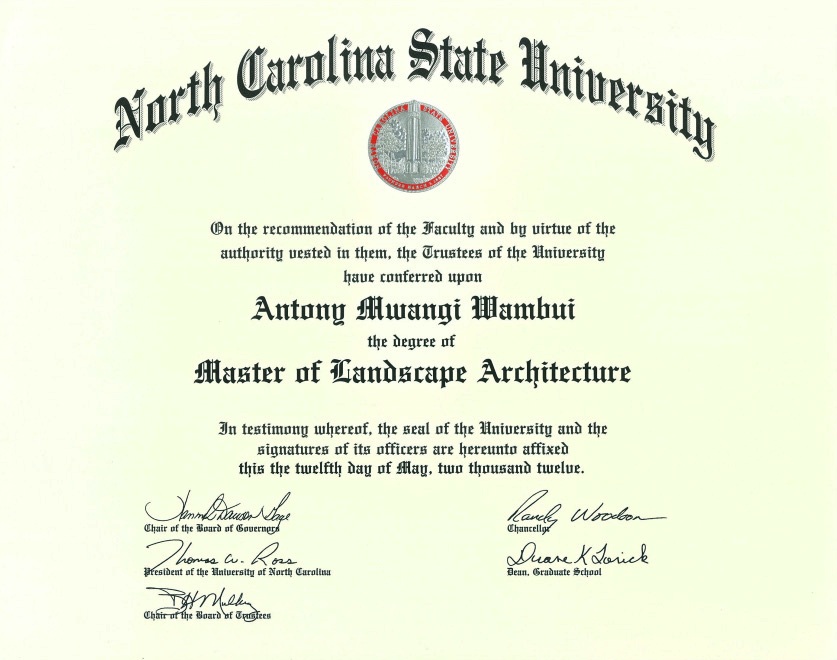
The popularity of the fake degree industry is fueled by the ease with which people can purchase high school, college and university diplomas on the internet. These websites feature authentic-looking components like institutional seals and registrar’s signatures. They also have certificates, logos and certificates numbers. Many also have a gallery of pictures taken during graduation ceremonies, giving the impression that the graduates received their diplomas from real institutions.
According to Verifile an organization that verifies academic credentials, certain employers aren’t vigilant in confirming the authenticity of applicants’ degrees. They are vulnerable to fraud, for example when someone who claims an unauthentic degree is found working in a place of work doing something unethical or dangerous.
In these situations an employer could be held responsible for damages caused by employees who are dishonest. A doctor who has a fake degree or isn’t licensed for example, could cause an individual seriously sick and get more info at https://lambang247.pro/.
The survey on Academic Credentials
It was difficult to determine the value of non-degree credentials until recently. Lumina’s first-of-its-kind national survey measuring Alternative Educational Credentials, gives the education community an exclusive view of the world of professional certifications or digital badges as well as other non-degree credentials and their relationship to labor market outcomes.
The study suggests the credentials, which are largely unnoticed by the general public, can be beneficial. In the average, those with different credentials earn more than those without one at every level of education below the bachelor’s level.
More than two-thirds (67 percent) of institutions in the study provide alternative credentials and a majority of them are expanding their offering. This study suggests that students are prepared and willing to invest in alternative credentials due to the fact that they are looking for an option that is flexible to help them improve their skills and becoming more employable.
The survey also finds that most leaders in higher education believe that micro-credentialing is going to become an integral part of their curriculum, and they are increasingly utilizing these different credentials to engage students in new ways and offer higher-quality, industry-focused education. But, there are still obstacles to the adoption at an institutional level. For example, almost a third of respondents say their institution has no micro-credentials policy, though it has dropped from 22 percent in 2021. Similarly, there are still issues in the area of quality assurance and recognition. However, these issues are now less pressing as they were in 2021.
False degrees can affect the job market
The industry of fake degrees has become a worldwide problem. National Student Clearinghouse reports that it’s a multi-billion dollar business that provides fake credentials.
There are a variety of reasons individuals would attempt to fraudulently earn a degree. Credentialism is a common motive as certain employers require the completion of a degree to fill certain jobs, and these requirements can be challenging for real candidates to satisfy. The role of colleges in signaling degrees is another motive. They signify social status and accomplishment in a positional culture (see Solnick & Hemenway’s analysis).
While it can be challenging for businesses to keep a close eye on degree mills and fraudsters, there are a handful of things businesses can do to minimize this danger. One method is to hire an external third party company that specializes in background checks as well as verification of credentials. They provide professional advice as well as additional resources to conduct thorough checks.
Other measures that companies could consider is to conduct thorough interviews and reference checks and to consider more than the qualifications of a candidate’s education. Furthermore, it is essential to educate HR teams on the red flags that indicate a potential forgery or scam. Additionally, businesses can make investments in technology that speeds up the process of verification and makes it easier to detect fraud in the academic world. This is the only way to guarantee that companies are hiring the right talent and that they do not lose their credibility due to the negligence of their employees.
Diploma Mills and Fraudulent Degrees
A diploma mill is a business that offers fake degrees without requiring any work or passing any exams. The diploma mill works online or from small offices, and it offers degrees that seem very authentic. The scams typically offer credit for experience or personal experiences. They also have names that sound like institutions that are well-known.
The economy is growing rapidly, mostly because of the desire to progress in their careers and get a job faster. This is especially applicable to those living in countries that are developing. They are drawn by the idea of an American-sounding diploma. They are also willing to pay more for the convenience of obtaining an education over the traditional route.
The consequences of using a fake diploma can be serious, both for the individual as well as the society. The business of selling false credentials is still relatively unresearched, despite its size and scope. To limit the consequences of this shady practice, the authorities must consider several strategies.
For instance, credential evaluations and personnel from human resources must scrutinize every credential for signs that indicate fraud. This is a problem that should be made clear to them and the importance of checking academic credentials. In the ideal scenario, this should be conducted in conjunction with the records department of the school. Furthermore, it’s vital that legislation be passed making it a crime to possess or use fake degrees within the United States, with appropriate sanctions.