
A steady breath can become a simple source of calm, clarity, and renewed energy throughout the day. Breathing practices encourage greater awareness of how each inhale and exhale affects the body and mind. With regular practice, these techniques can create a peaceful routine that supports concentration, relaxation, and emotional balance. They are easy to learn and can be included in different parts of a daily schedule. By giving attention to breathing, individuals can create meaningful moments of stillness while developing a stronger connection between physical comfort and mental focus.
Build Awareness Through Conscious Breathing
Conscious breathing begins with noticing the natural rhythm of the breath without trying to change it immediately. This simple awareness can help create a sense of presence and encourage a more relaxed state.
- Notice the movement of each breath.
- Observe the gentle rise and fall of the body.
- Keep attention on slow, comfortable breathing.
- Allow the breath to become naturally smoother.
Practicing for a few minutes can make breathing awareness feel more familiar and enjoyable.
Encourage Calm With Slower Breaths
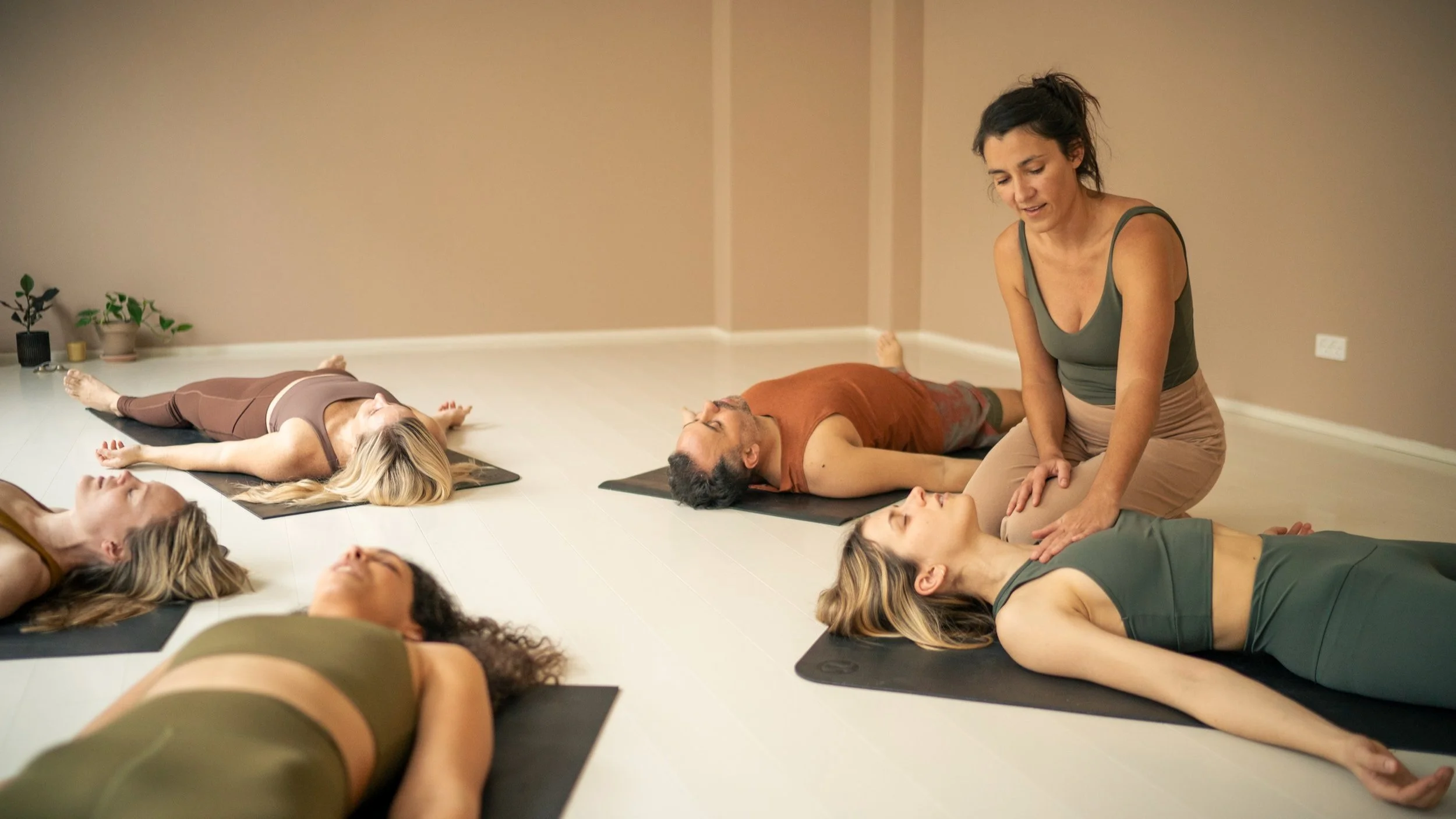
Slowing the breath can create a peaceful rhythm that supports relaxation. A comfortable pace allows attention to move away from distractions and toward the present moment.
Helpful habits include:
- Inhale gently through the nose.
- Exhale slowly and comfortably.
- Keep the shoulders relaxed.
- Avoid forcing or holding the breath unnecessarily.
- Repeat the pattern for several calm cycles.
This approach can become a soothing transition between busy activities and quieter moments.
Improve Focus With Rhythmic Breathing
A consistent breathing pattern can provide an easy point of attention during concentration exercises. Counting breaths or following a steady rhythm encourages the mind to remain engaged with one simple activity.
For example, try:
- Taking a comfortable inhale.
- Pausing briefly without strain.
- Making a relaxed, unhurried exhale.
- Repeating the sequence with steady awareness.
Regular practice can make focused breathing a useful part of study, creative work, reading, or personal reflection.
Make Breathing Practice Part of Daily Life
Consistency is more valuable than long sessions. Short breathing exercises can fit naturally into morning routines, quiet breaks, or evening relaxation. For a structured learning experience, ademhalingscursus ademhaling cursus can also introduce practical breathing concepts and encourage regular practice.
Simple opportunities include:
- Practicing after waking up.
- Taking mindful breaths during breaks.
- Using slow breathing before important tasks.
- Ending the day with several peaceful breaths.
Create a Positive Breathing Routine
A comfortable environment, relaxed posture, and gentle approach can make practice more enjoyable. There is no need to rush or aim for perfection. The goal is to develop awareness and discover breathing patterns that feel natural and supportive.
With patience and consistency, breathing exercises can become a positive daily habit. Each mindful breath offers an opportunity to pause, refocus, and reconnect with a sense of calm. Over time, this simple practice can encourage greater awareness, steadier attention, and a more balanced approach to everyday experiences
