
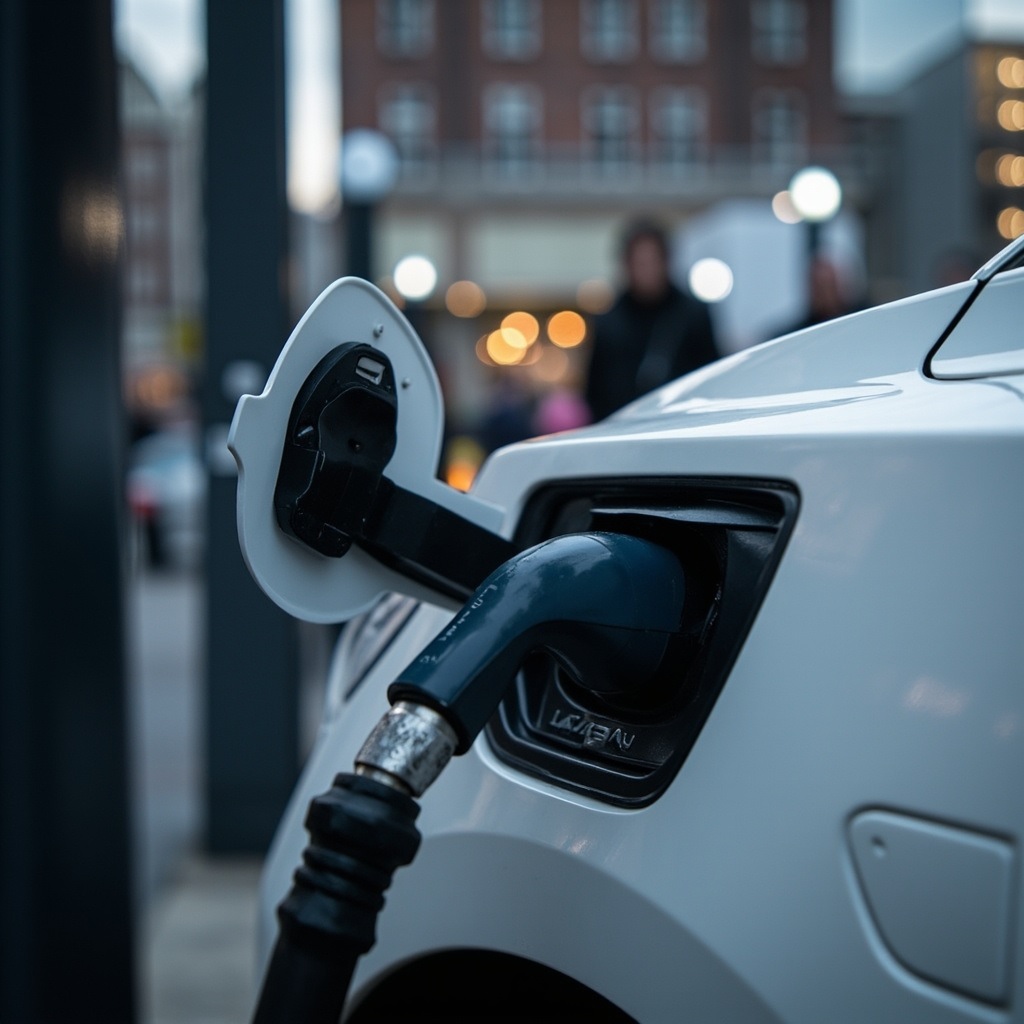
The electric vehicle market is charging ahead at full speed, and with that momentum comes a quiet but critical question: how do you keep a charging station alive when it is exposed to rain, snow, mud, and road salt 24/7? The answer is not just in the big cables or the power electronics. It is hiding inside a tiny component that most drivers never think about: the waterproof micro switch.
Let me cut through the technical noise. EV charging infrastructure is moving from sheltered parking garages into the open elements. Curbside chargers, highway rest stop units, and fleet depots are all exposed to direct weather. A standard micro switch will corrode, jam, or fail within months in those conditions. That is not speculation. That is a hard reality that operators are facing right now. When a switch fails, the charger goes offline. Drivers get stranded. Revenue stops.
So what does the future look like? It starts with a shift in mindset. The industry is finally treating charging stations like outdoor industrial equipment, not indoor electronics. That means every single entry point for moisture has to be sealed. The micro switch, often used for door interlocks, plug detection, and actuator feedback, is one of the most vulnerable points. A switch rated at IP67 is no longer a premium option. It is becoming the baseline.
Unionwell has been pushing this boundary hard. Their waterproof micro switches are designed with double-sealed housings and high-temp resistant materials that can handle the thermal cycling inside a charger. When a unit sits in the Arizona sun and then gets hit by a monsoon, the switch has to keep clicking reliably. That is not a small engineering challenge. It requires precision in the contact gap, the spring tension, and the seal integrity.
Here is the thing most people miss. The future is not just about surviving water ingress. It is about surviving repeated, violent temperature swings, UV exposure, and even vandalism attempts. A waterproof micro switch that fails because the plastic housing cracked under thermal stress is still a failure. The next generation of switches needs to be built with materials that laugh at that kind of abuse. Unionwell is already moving toward liquid crystal polymers and stainless steel plungers for their high-end models.
Another shift is in size. Charging stations are getting more compact. The internal real estate is shrinking. That means micro switches need to be smaller without sacrificing the snap-action force or the waterproof rating. It is a tightrope walk. You cannot just shrink the housing and hope the seal holds. You have to redesign the internal mechanism. The trend is toward ultra-miniature waterproof switches that still deliver a crisp, audible click and a long mechanical life of over a million cycles.
Operators are also demanding smarter feedback. A switch that just opens and closes is not enough. They want to know if the switch is still functioning, if the seal is compromised, or if the actuator is sticking. That is driving interest in switches with integrated diagnostic capabilities. It is early days, but the direction is clear. The micro switch is becoming a sensor, not just a contact.
Let me give you a practical takeaway. If you are designing or sourcing components for an EV charger right now, do not treat the micro switch as a commodity. Treat it as a reliability anchor. A cheap, non-waterproof switch will cost you ten times its purchase price in service calls and downtime. The future belongs to switches that are over-engineered for the environment. Unionwell is one of the few brands that consistently delivers that level of durability without inflating the price to absurd levels.
The bottom line is simple. As EV charging moves outdoors and into harsh climates, the waterproof micro switch is no longer a supporting actor. It is a star player. The companies that recognize this early will have fewer field failures, happier customers, and a stronger reputation. The ones that keep treating it as an afterthought will keep sending technicians out in the rain to replace corroded parts. Your choice.
