
A dependable battle belt IFAK plays a major role in emergency readiness, fast response, and gear organization. Choosing the right setup improves accessibility, comfort, and confidence during demanding situations. A durable and efficient kit should balance strength, lightweight design, and practical storage without adding unnecessary bulk.
Focus On Strong Material Quality
The durability of an IFAK starts with the construction material. Tough fabrics and reinforced stitching help the pouch withstand rough handling, repeated movement, and changing weather conditions.
Important features to look for:
- Abrasion-resistant outer fabric
- Reinforced seams for long-term reliability
- Water-resistant coating for extra protection
- Heavy-duty zippers or secure pull tabs
- Strong attachment points for battle belt stability
A rugged exterior protects medical supplies while extending the lifespan of the entire setup.
Prioritize Fast Accessibility
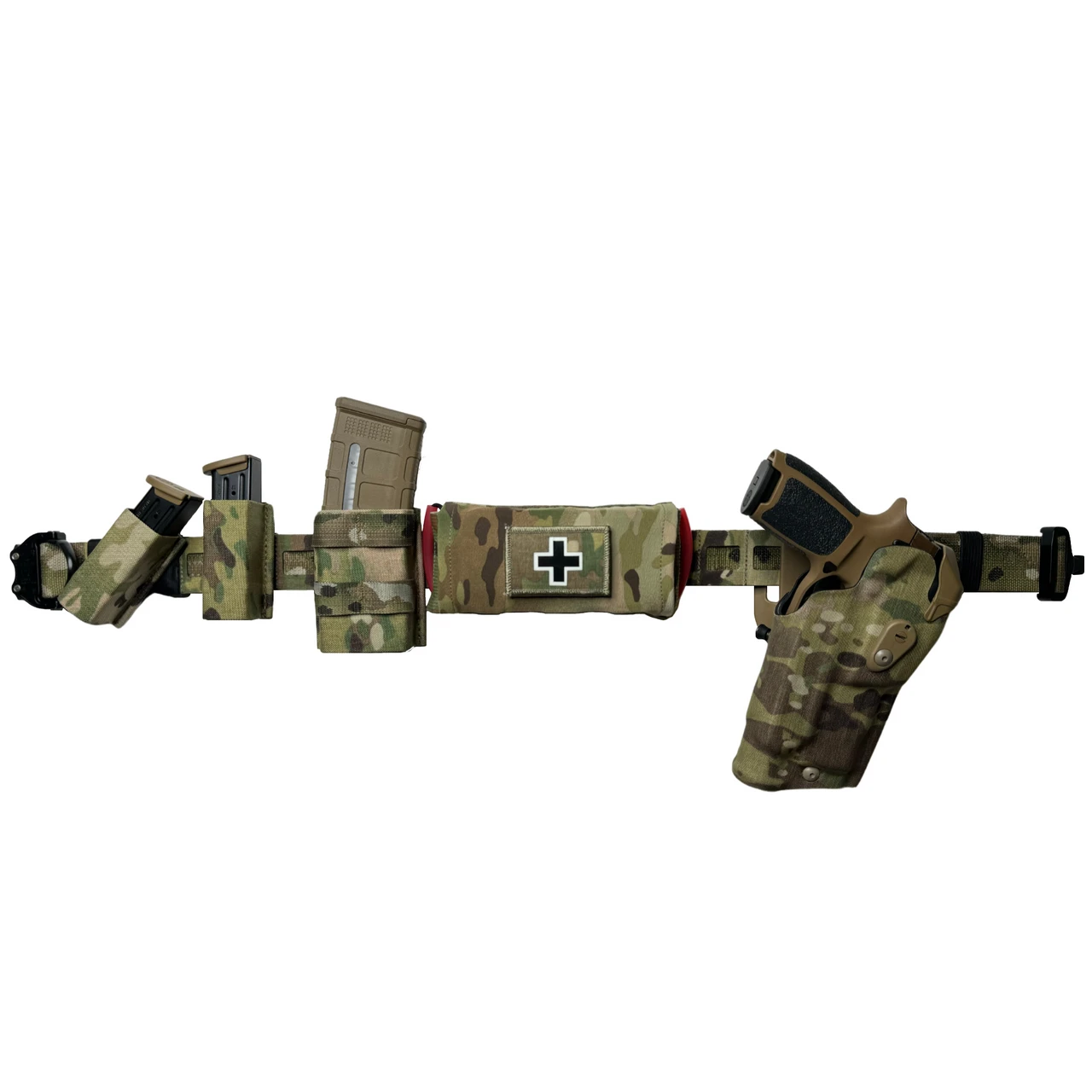
Quick access is one of the most important factors when selecting a battle belt IFAK. A well-designed pouch allows immediate reach during high-pressure moments.
Helpful accessibility features include:
- Pull-away or rip-away pouch systems
- Easy-grip handles for rapid opening
- Smooth zipper movement
- Clearly organized internal compartments
- Ambidextrous access options
Efficient organization prevents wasted movement and allows essential medical tools to be located instantly.
Choose a Comfortable and Compact Design
An oversized pouch may interfere with mobility and create unnecessary weight. A compact design keeps movement natural while still carrying critical medical supplies.
Benefits of a streamlined setup:
- Better balance on the battle belt
- Reduced fatigue during extended wear
- Less interference with sitting or kneeling
- Improved comfort during active movement
- Cleaner gear arrangement
A lightweight and compact IFAK supports faster reactions and greater flexibility.
Evaluate Internal Organization
A durable pouch alone is not enough. Internal layout matters just as much for efficiency. Well-placed elastic loops and divided best ifak for battle belt compartments help keep supplies secure and easy to identify.
Smart internal storage should include:
- Elastic retention bands
- Separate spaces for critical tools
- Quick-visibility arrangement
- Noise-reducing organization
- Secure placement for small items
Good organization minimizes clutter and speeds up emergency response.
Ensure Reliable Belt Compatibility
A battle belt IFAK should remain firmly attached without shifting during movement. Stable mounting systems improve comfort and reliability.
Features that improve compatibility:
- Secure modular attachment system
- Tight belt retention
- Minimal pouch movement
- Flexible mounting positions
- Low-profile attachment hardware
A stable pouch setup improves both confidence and efficiency during demanding tasks.
Consider Environmental Protection
Medical supplies should stay protected from moisture, dust, and debris. A durable IFAK should offer dependable environmental resistance without sacrificing quick access.
Protective qualities to consider:
- Water-resistant construction
- Drainage openings for moisture release
- Dust-resistant closure systems
- Durable interior lining
- Weather-tolerant materials
Environmental protection helps preserve medical equipment and improves long-term reliability.
Balance Capacity and Practicality
A battle belt IFAK should carry essential supplies without becoming overloaded. Practical storage encourages better mobility and easier access.
A balanced setup should provide:
- Enough room for emergency essentials
- Compact external dimensions
- Efficient space usage
- Lightweight carrying performance
- Easy inventory management
Keeping only necessary supplies prevents unnecessary bulk and improves overall effectiveness.
Choosing a durable and efficient battle belt IFAK requires attention to material strength, accessibility, comfort, organization, and secure attachment. A well-designed setup improves readiness while supporting smooth movement and rapid response. By focusing on durability, smart storage, and practical design, users can build a dependable medical solution that performs reliably under pressure.
