
In the ever-evolving landscape of modern industry, pneumatics stands out as a cornerstone of automation and innovation. The pneumatic definition extends beyond the simple use of compressed air it embodies the principles of efficiency, reliability, and adaptability in powering mechanical systems. By harnessing air pressure, pneumatics transforms potential energy into motion, driving countless automated applications across diverse industries.
Understanding the Pneumatic Concept
At its core, pneumatics refers to the branch of engineering that utilizes compressed air to perform mechanical work. This clean, safe, and efficient technology is widely adopted in manufacturing, robotics, healthcare, and transportation systems.
Key characteristics of pneumatic systems include:
- Clean Operation: Uses air instead of oil or hazardous fluids.
- Energy Efficiency: Converts air pressure into smooth and reliable motion.
- Cost-Effective Maintenance: Offers long operational life with minimal upkeep.
- High-Speed Response: Ensures quick and accurate movements in automation systems.
By understanding the fundamentals of pneumatic, industries can better integrate this technology to enhance productivity and precision.
Core Components of Pneumatic Systems
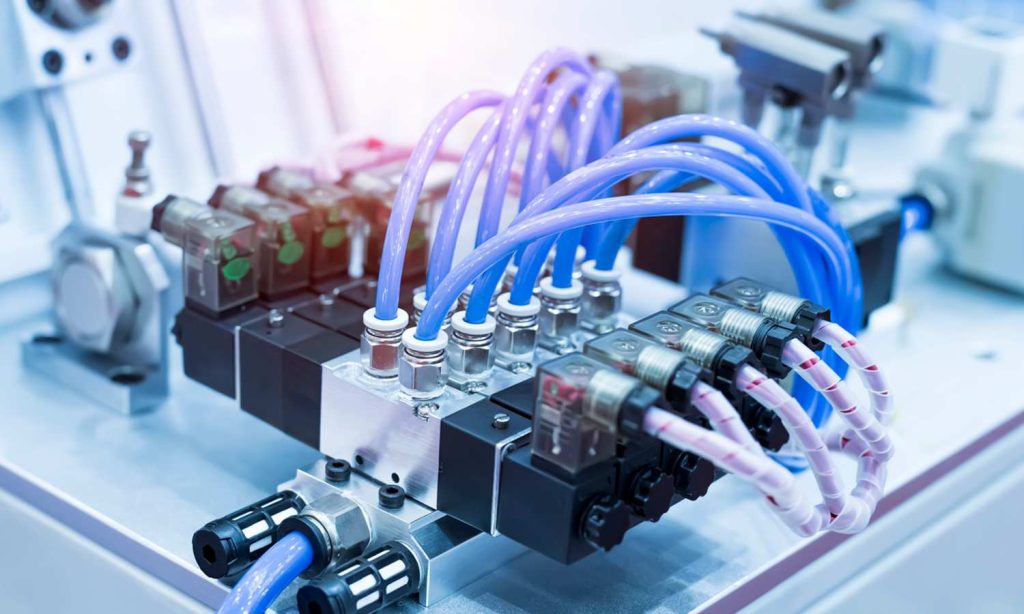
Every pneumatic system is built around components that work together seamlessly to generate motion and control force. These parts are designed for optimal performance under varying conditions, ensuring consistent functionality.
Essential components include:
- Compressor: Generates and stores compressed air for operation.
- Valves: Regulate airflow direction, pressure, and rate.
- Actuators: Convert air pressure into mechanical movement.
- Air Treatment Units: Ensure clean, dry air for reliable performance.
- Tubing and Fittings: Provide pathways for efficient air distribution.
Together, these elements form a powerful system that supports automation in both simple and complex operations.
Applications That Inspire Progress
Pneumatic systems are found in virtually every sector that relies on motion and precision. From controlling robotic arms to managing packaging lines, pneumatics plays a vital role in creating efficient and repeatable processes.
Common applications include:
- Automated Assembly Lines
- Material Handling Equipment
- Medical and Laboratory Devices
- Transportation and Braking Systems
- Packaging and Printing Machinery
Each application demonstrates how pneumatic power simplifies design, reduces downtime, and supports sustainable growth in modern production environments.
Advantages of Pneumatics in Automation
The growing adoption of pneumatics reflects its numerous benefits in advancing industrial automation.
Key advantages include:
- Reliability: Delivers consistent performance under high workloads.
- Safety: Operates without flammable or toxic substances.
- Flexibility: Easily adapts to various industrial processes.
- Sustainability: Uses air a renewable and clean energy source.
- Precision Control: Provides smooth operation for repetitive tasks.
These attributes make pneumatic definition an ideal choice for industries seeking dependable and eco-conscious automation solutions.
Conclusion: The Future Powered by Pneumatics
Understanding the pneumatic definition reveals more than just a technical concept it highlights a movement toward smarter, cleaner, and more efficient automation. As industries continue to innovate, pneumatics will remain a driving force behind technological advancement, offering solutions that combine performance, sustainability, and precision for a better and more connected future.
